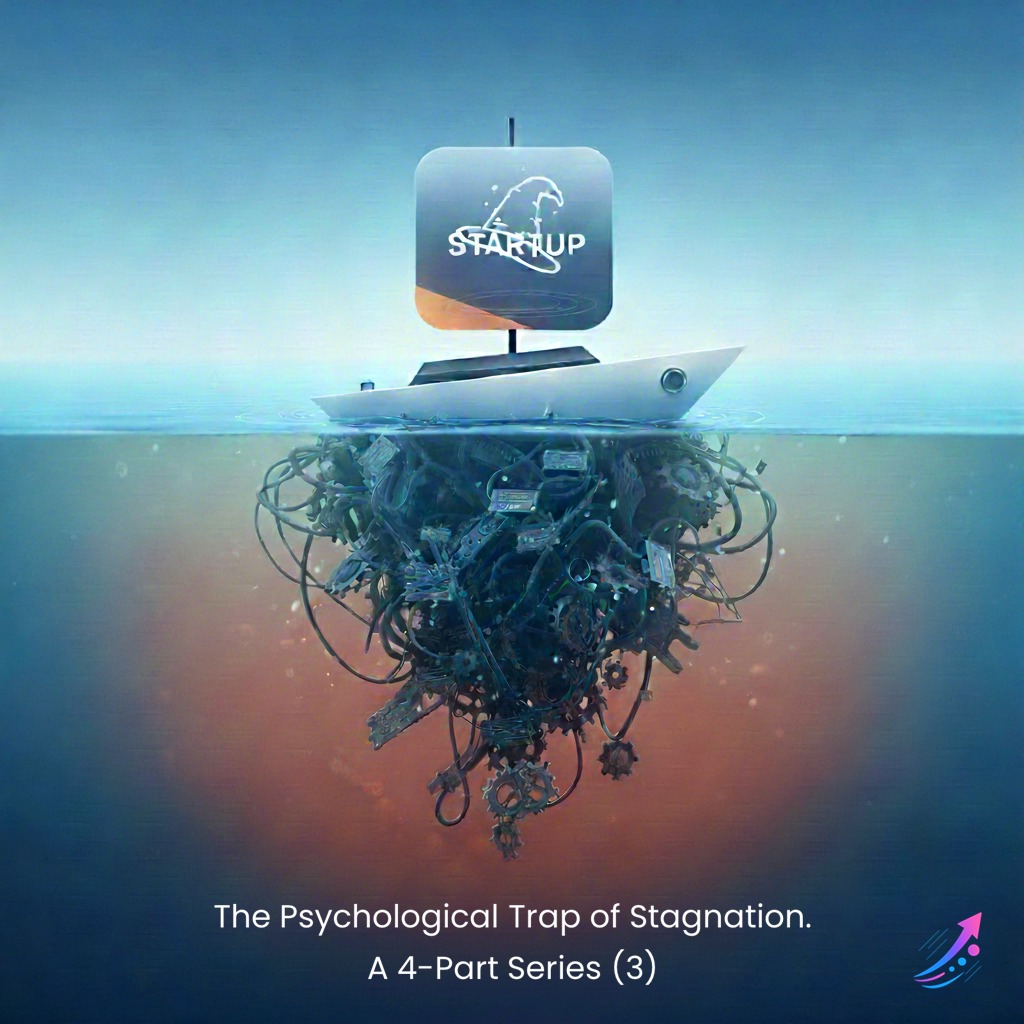
We have all heard the fable of the frog in the boiling water. If the temperature rises slowly enough, the frog never jumps. Many software startups are currently in lukewarm water. They are not failing in the sense that they will be out of money tomorrow, but they are experiencing a slow-motion decline in relevance. This is the boiling frog startup, where the loss of buoyancy is so gradual that the team mistakes stagnation for stability. They celebrate the same small wins they had last year, not realizing the world has moved on. They are comfortable, and comfort is the enemy of the startup.
The High Risk of Internal Fixation
This state is more common than many founders care to admit. According to CB Insights, the number two reason startups fail is no market need, but the number three reason is getting outcompeted. In many cases, getting outcompeted is the result of the boiling frog effect. A company becomes so internally focused on its own processes and legacy code that it stops noticing the market shifting around it. I have seen companies spend six months debating a button color while a competitor enters the market and steals their primary customer base. By the time they realize they are no longer the market leader, their momentum is gone.
The Talent Drain and the Mindset of Loss
The psychological toll of this stagnation is immense. Early employees who joined for the excitement of growth start to feel the weight of the friction. They see the slow decisions and the mounting technical debt. They start to lose faith in the mission. This creates a talent drain where the most ambitious people leave first, leaving behind a team that is comfortable with the status quo. The internal culture begins to shift from a win mindset to a do not lose mindset. This psychological drag is the heaviest weight of all because it erodes the collective ambition of the team. You end up with a company of people who are just protecting their jobs rather than trying to change the world.
Using External Assessments as a Systemic Shock
To escape the lukewarm water, a startup needs a shock to the system in the form of a structured health assessment. This assessment acts as a thermometer, providing an objective measurement of the company’s true vitals compared to the market. It asks the hard questions: If we started this company today, would we build this product? Would we hire this team? Would we use this sales strategy? If the answer is no, then you are simply managing a decline. You are tending to a garden that is already dying, and no amount of extra water or effort will bring it back to life without a fundamental change in strategy.
Courage and the Energy Delta
By forcing leadership to look at the energy delta, which is the gap between the effort being spent and the results being achieved, these assessments provide the clarity needed to either pivot aggressively or double down on what actually works. It is about having the courage to read the label and realize the water is getting hot. Often, the greatest risk is not making a mistake, but staying in the jar until you no longer have the strength to jump out. A structured assessment provides the external validation needed to make difficult changes that the team might be too afraid to suggest on their own. It turns the heat up on the truth.
Is your team playing to win, or just playing not to lose?
Bal Mattu. Ktaria. Diagnostic assessments for Pre-Seed to Series B startups.